- Edensor "Littlewood was famous for always taking Sundays off, claiming that it guaranteed he would have new ideas when he returned to work on Monday."
- "The most productive researchers 'do much of their creative work at home or elsewhere.' "
- That works out to an average of 6 hrs. a day.
- Rhythm of their practice - have more frequent, shorter sessions, each lasting about 80 to 90 mins., with 1/2 hr. breaks in between. ~4 hrs. per day
- "Ten years of doing everything wrong suddenly became the right idea, the right scene, the right characters, the right day, the right creative time. I wrote the story outside, with my typewriter, on the lawn. At the end of an hour the story was finished, the hair on the back of my neck was standing up, and I was in tears. I knew I had written the first really good story of my life." - the importance of deliberate practice, Ray Bradbury
- Something that has almost been completely ignored: how they rested.
- The top performers actually slept about an hr. a day more than the average performers.
- "Followed a pattern of practicing hardest and longest in the morning, taking a nap in the afternoon, and then having a second practice in the late afternoon or evening."
- "The merely good violinists tended to underestimate the amount of time they spent in leisure activities: they guesses they spend about 15 hrs a week, when in reality they spend almost twice that. The best violinists, in contrast, could 'estimate quite accurately the time they allocated to leisure,' about 25 hrs."
- "The best performers devoted more energy to organizing their time, thinking about how they would spend their time, and assessing what they did."
- "In other words, the top students were applying the habits of deliberate practice - mindfulness, an ability to observe their own performance, a sense that their time was valuable and needed to be spent wisely - to their downtime. They were discovering the immense value of deliberate rest. They figured out early that rest is important, that some of our most creative work happens when we take the kinds of breaks that allow our unconscious minds to keep plugging away, and that we can learn how to rest better. In the conservatory, deliberate rest is the partner of deliberate practice. It is in the studio and laboratory and publishing house, too. As Dickens and Poincare' and Darwin discovered, each is necessary. Each is half of a creative life. Together they form a whole."
- "This is how we've come to believe that world -class performance comes after 10,000 hrs. of practice. But that's wrong. It comes after 10,000 hrs. of deliberate practice, 12,500 hrs. of deliberate rest, and 30,000 hrs. of sleep."
Source: http://nautil.us/issue/46/balance/darwin-was-a-slacker-and-you-should-be-too
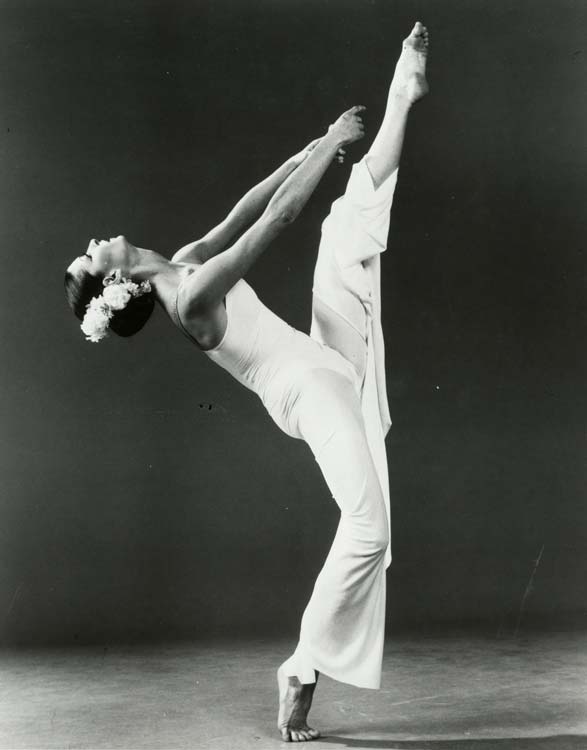
Duckworth quotes dancer Martha Graham's description of what it feels like to do this kind of training: "Dancing appears glamorous, easy, delightful. But the path to the paradise of that achievement is not easier than any other. There is fatigue so great that the body cries even in its sleep. There are times of complete frustration. There are daily small deaths."
Source : http://99u.com/articles/55219/true-grit-how-to-build-up-your-resilience

"Don't hesitate to contribute. The world needs more creators, not consumers."
Source: https://medium.com/personal-growth/give-yourself-something-to-pursue-even-if-you-fail-the-world-is-better-off-with-you-having-tried-1752880894a5